
 Men's sports socks
 Women's sports socks
Products: 56
- Popularity
- New Arrivals
- Lowest Price
- Highest Price
- On Sale
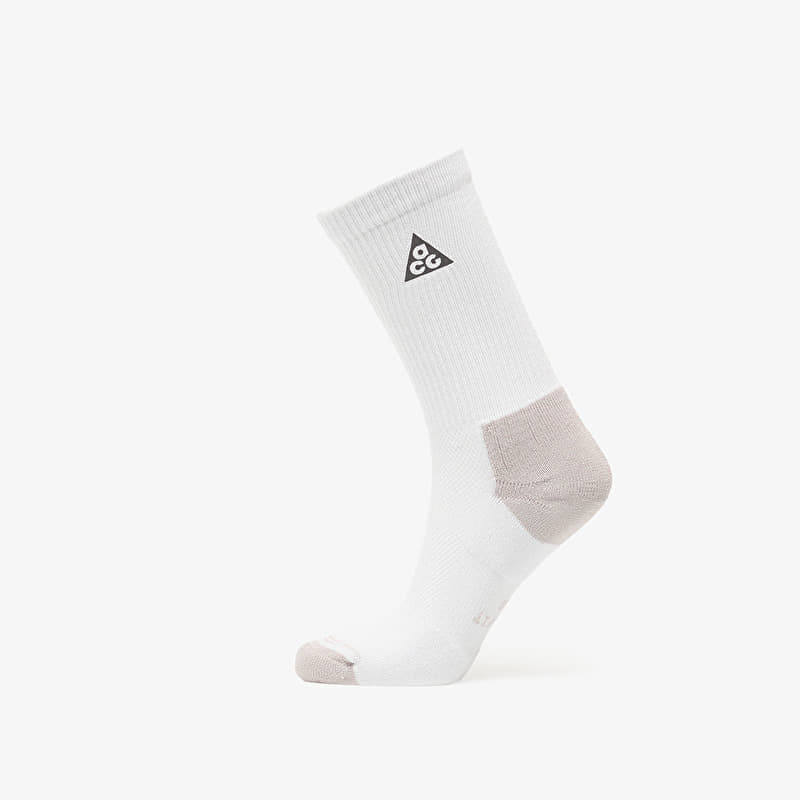
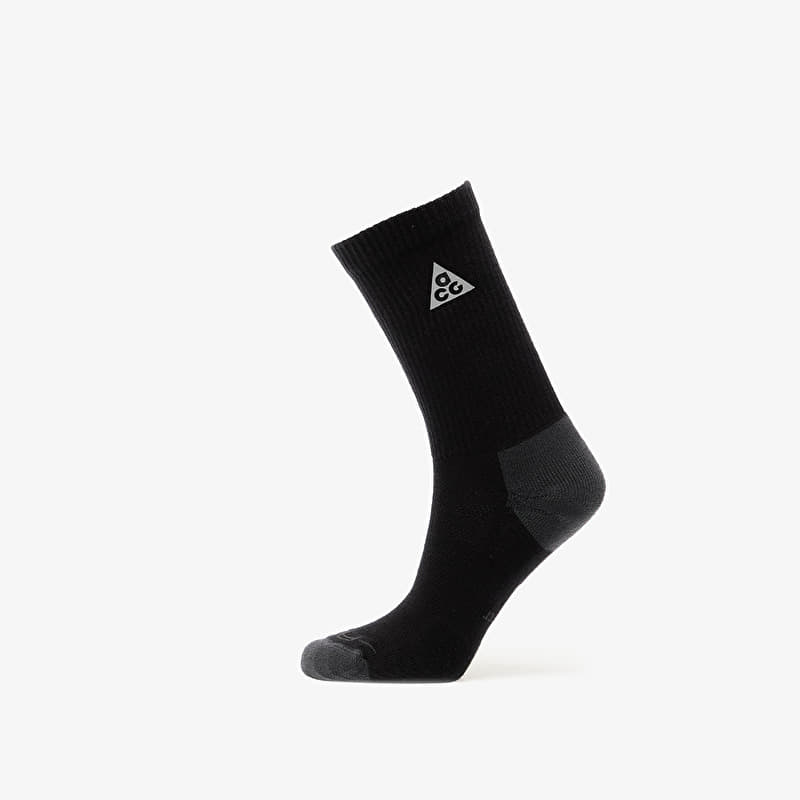
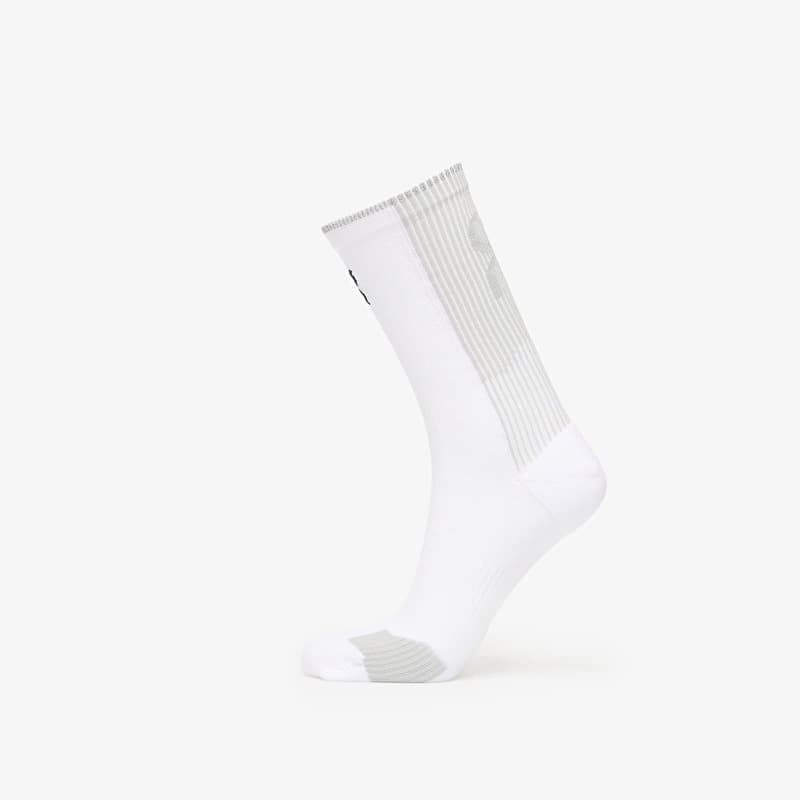
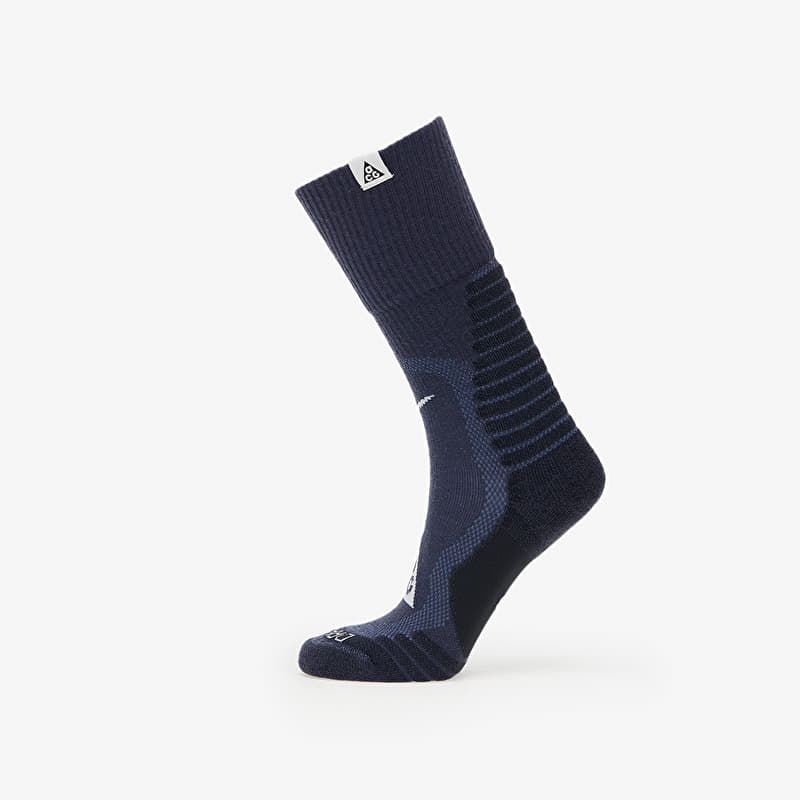
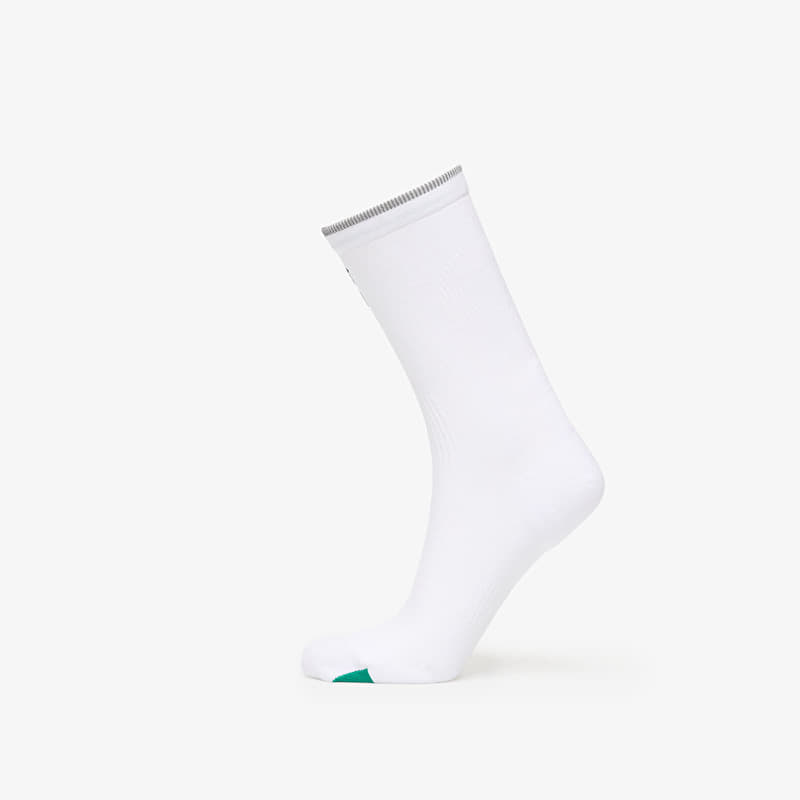
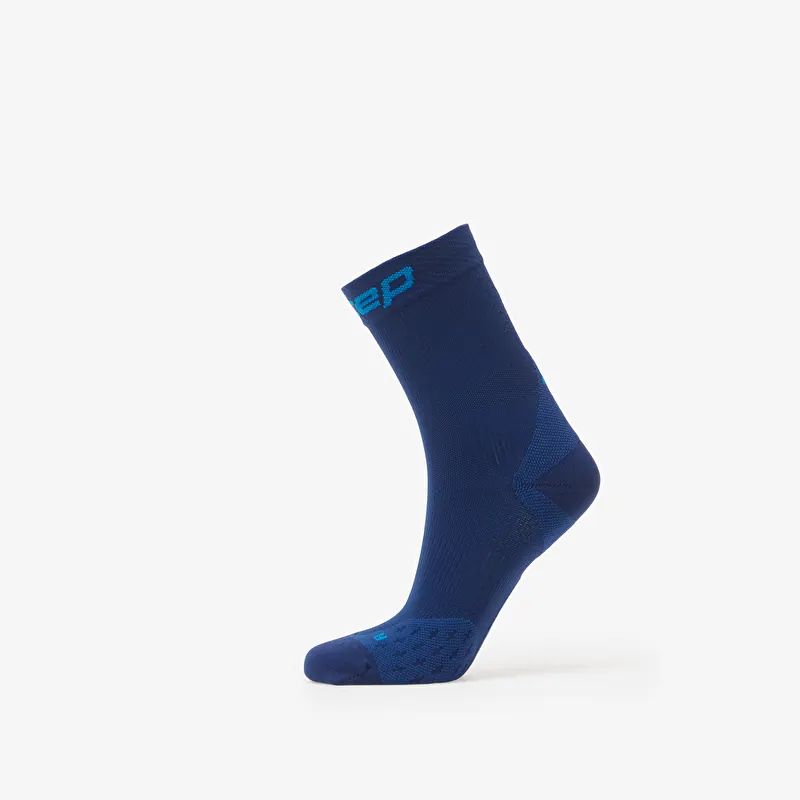
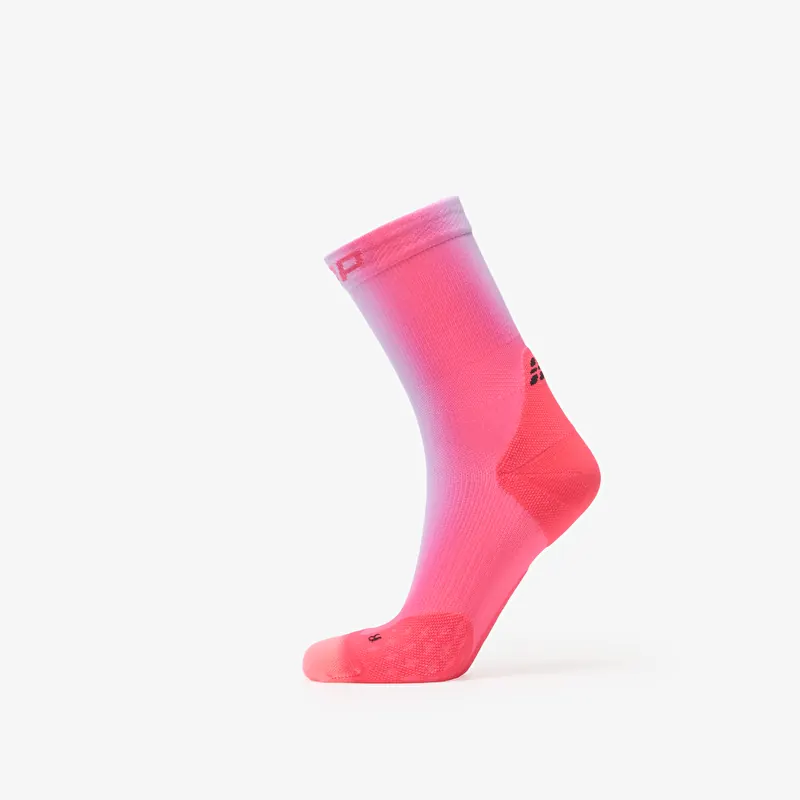
OnPerformance Run Sock High
€25.95
 Sustainable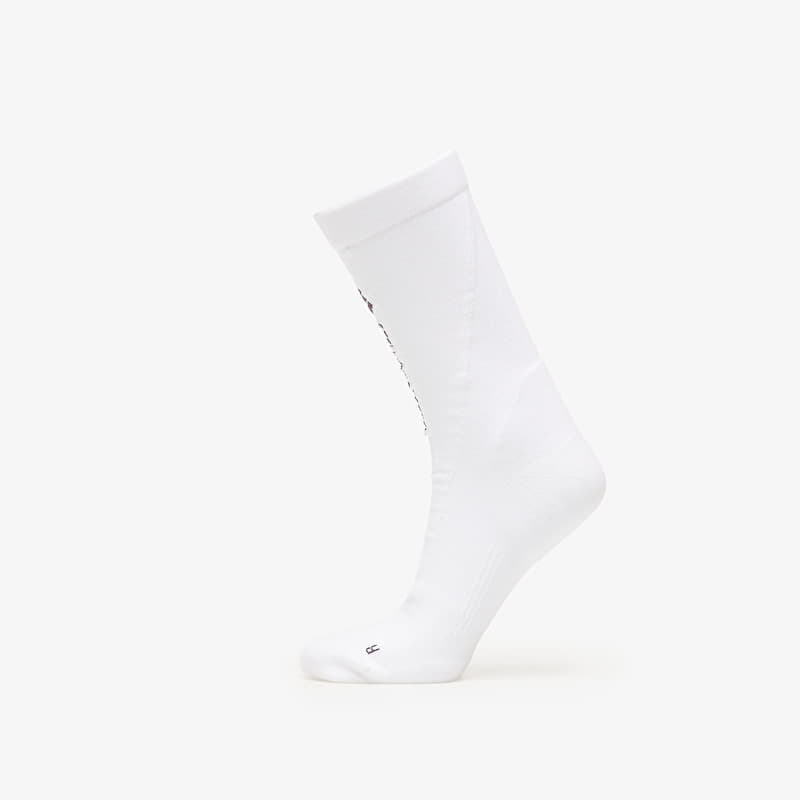
-13 %
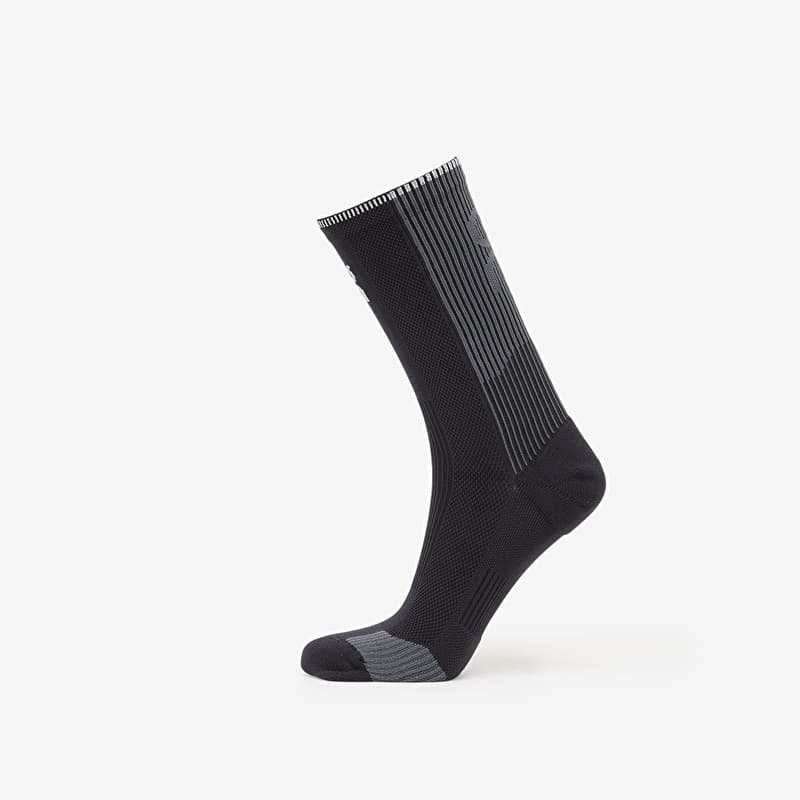
OnPerformance Run Sock High
€22.49€25.95
Sustainable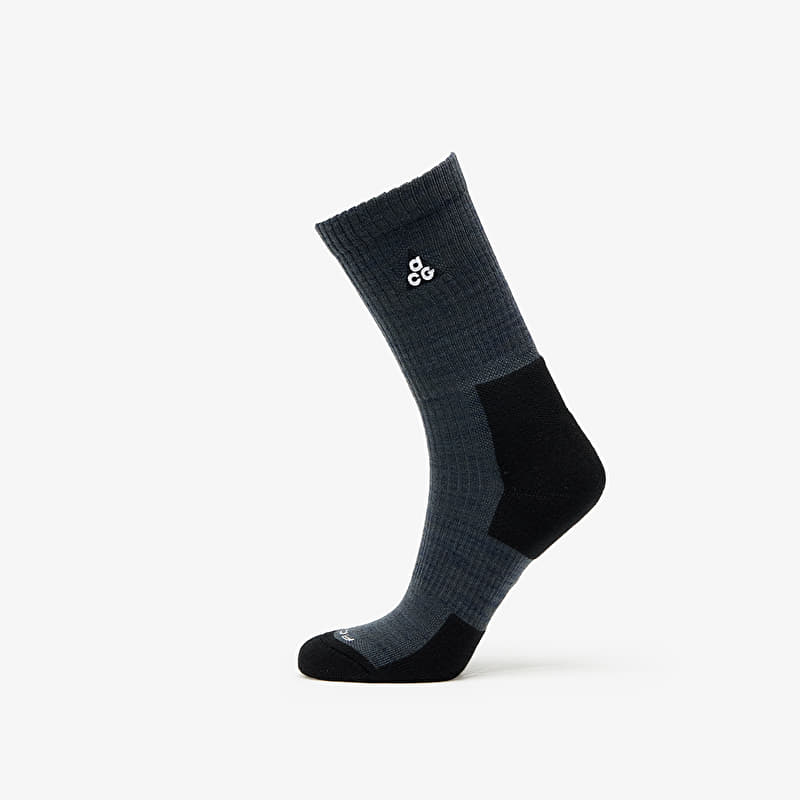
-15 %
OnElite Run Sock High
€25.49€29.95
Sustainable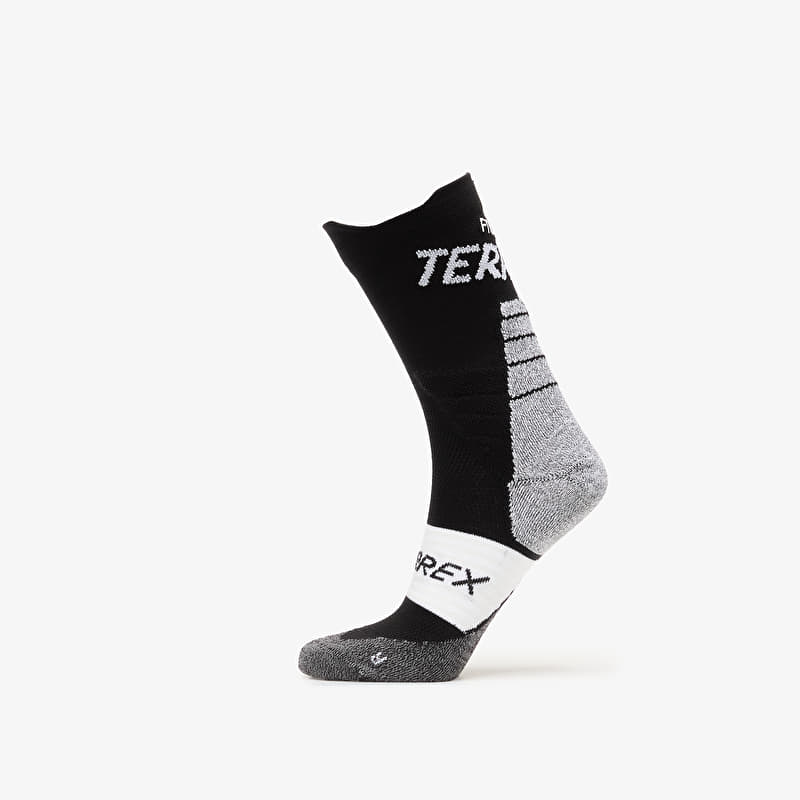


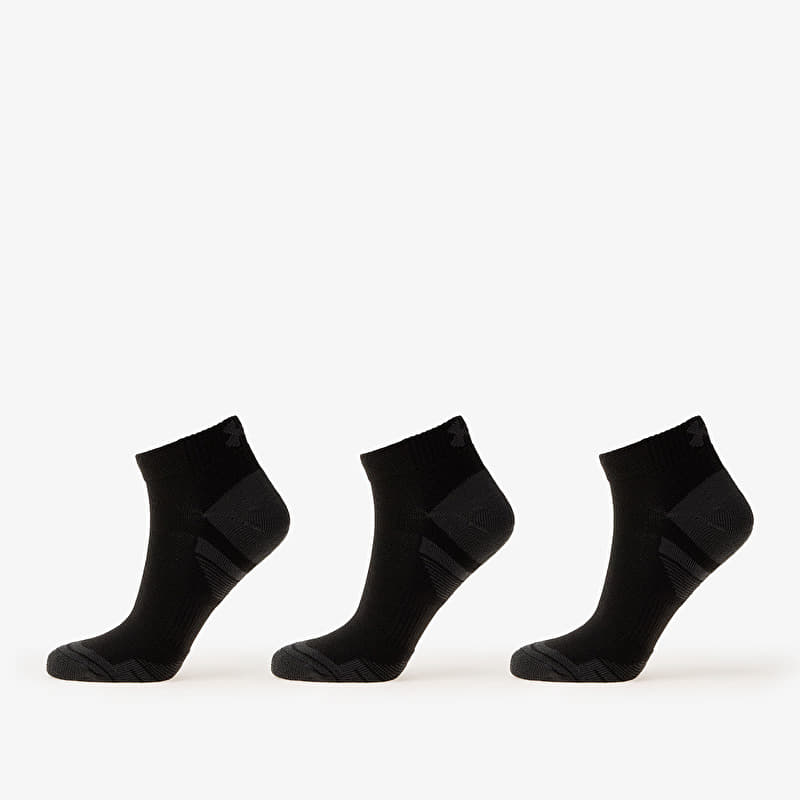
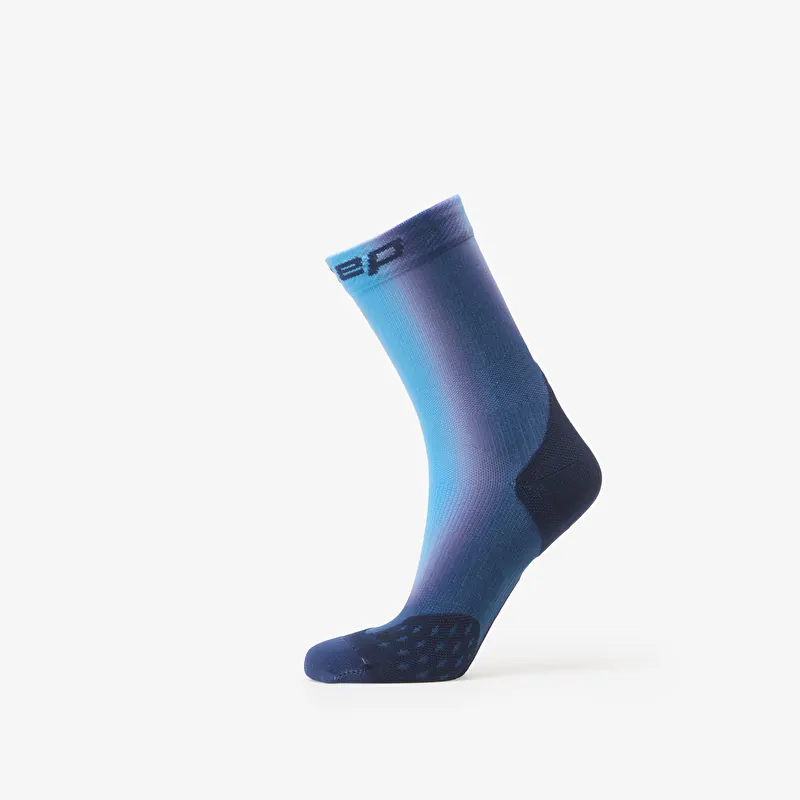
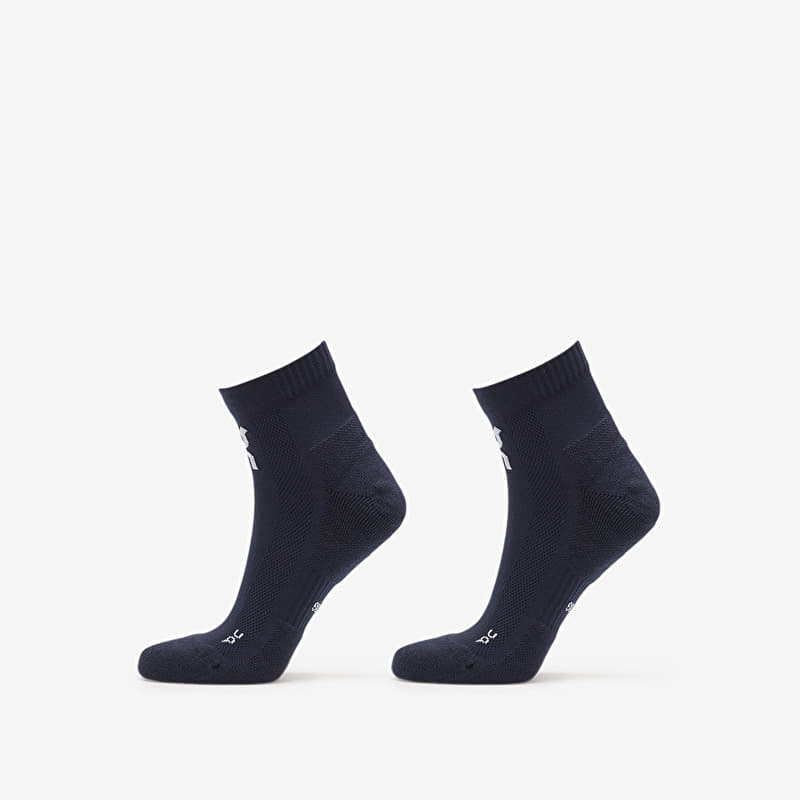
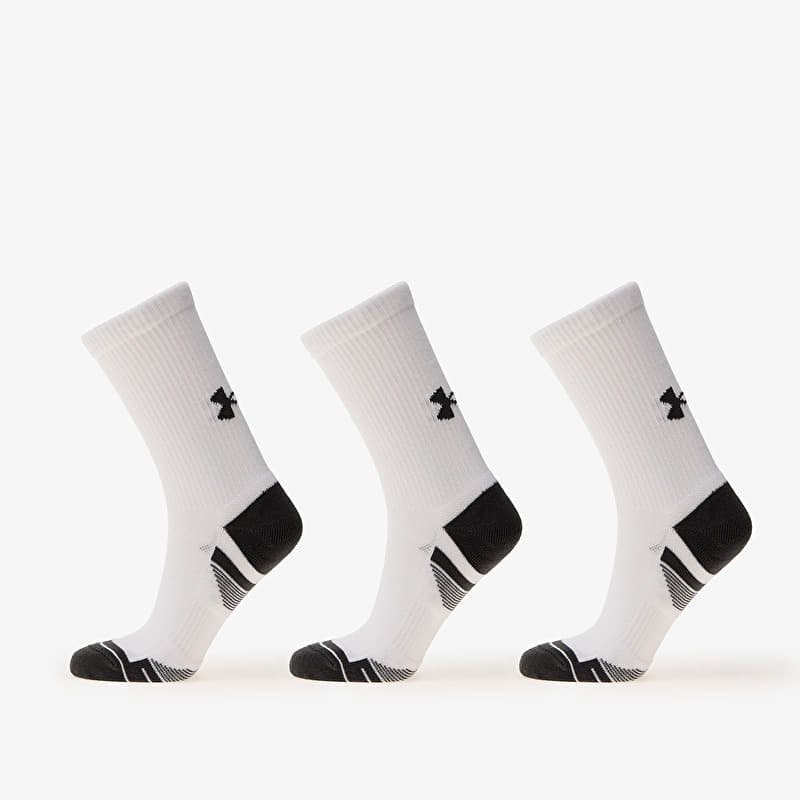
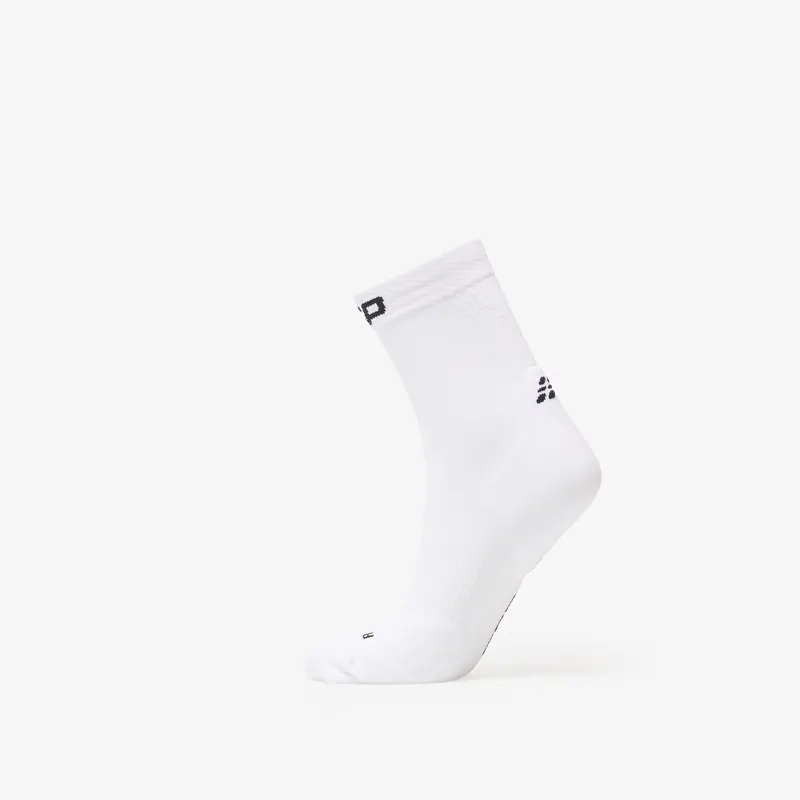


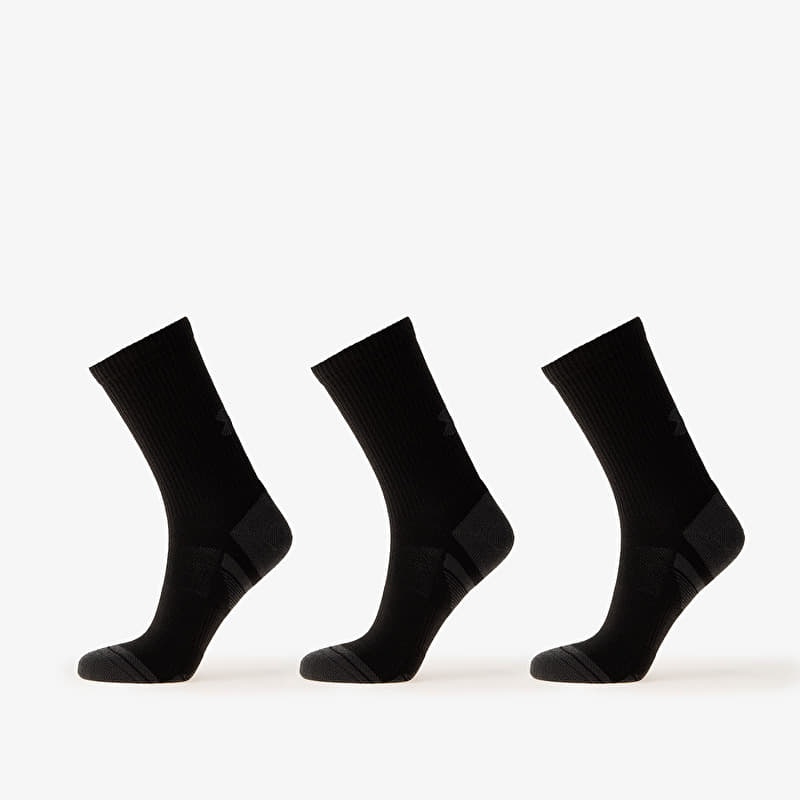


Sports Socks
Merino or Synthetic – Definitely Not Cotton
Sports socks have one clear enemy – cotton. It absorbs sweat and stays wet, significantly increasing the risk of blisters. Instead, synthetic materials like polyester and polyamide, or natural merino wool, prove to be much more effective at managing moisture – even after sweating or wading through puddles, the socks remain warm and maintain a stable temperature. Additionally, merino's antibacterial properties prevent odors even on ultra-long runs or multi-day events.
What to Focus on When Choosing
- Reinforced Heel and Toe: A key area for preventing blisters, especially on longer runs or extended periods in the saddle.
- Compression Socks: Work on the principle of graduated compression – the highest pressure is at the ankle, gradually decreasing towards the knee, which helps with circulation during long runs.
- Height Cut Based on Sport: Cycling typically requires a higher cut and sturdier material with reinforced heel and toe, while running benefits from thinner, lighter socks.
Which Sport They Are Suitable For
For running, lightweight, thinner socks with reinforced heels are ideal, while for cycling, a higher and sturdier design is preferred. You’ll appreciate compression options during Hyrox or long endurance performances, where circulation support is key. For outdoor and multi-day hiking, merino wool is practically the standard due to its thermoregulation and odor resistance.